October 22, 2026
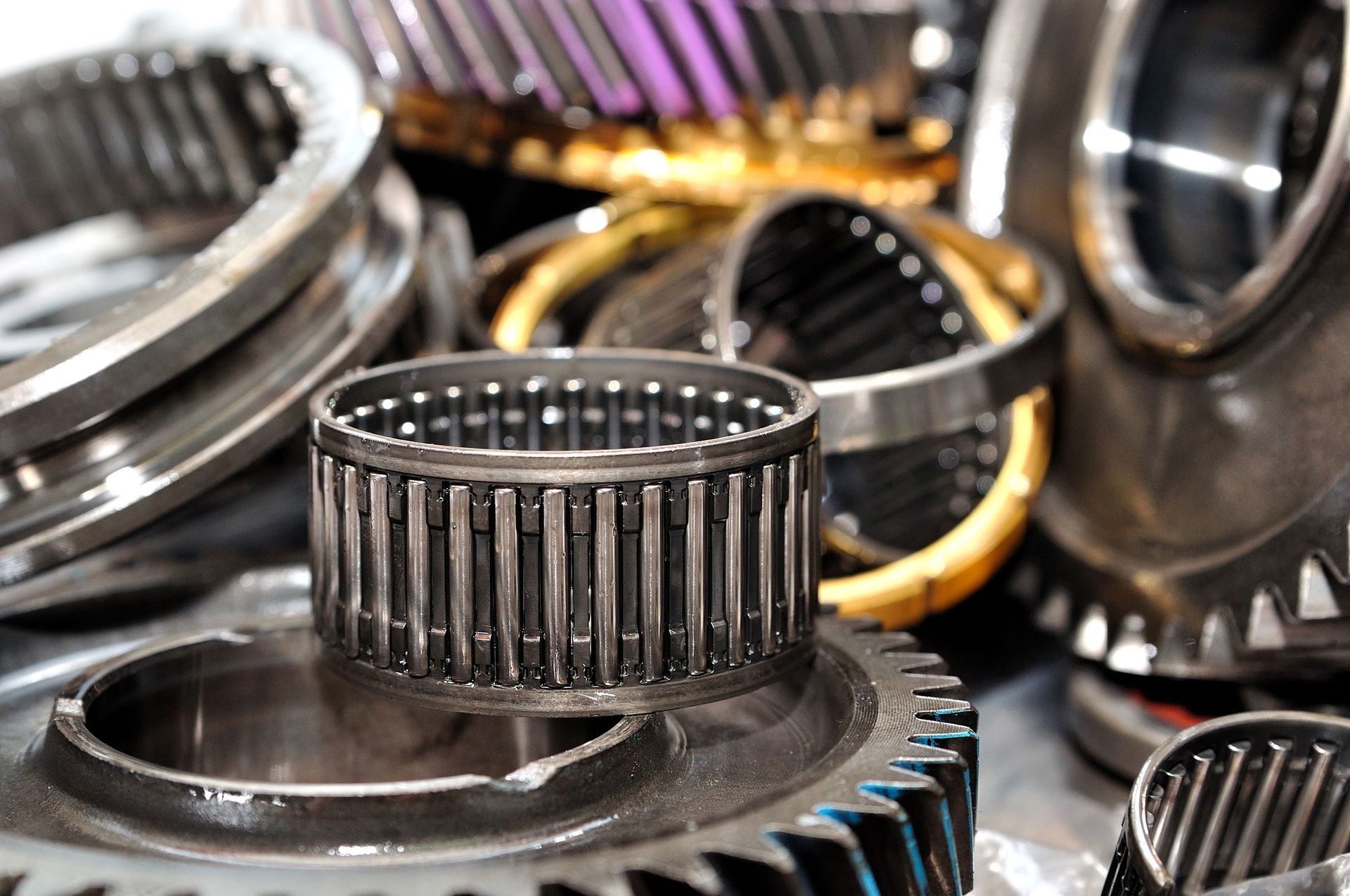
Manufacturing industries seek methods to extend component lifespans across diverse applications. Materials face immense strain during operational use. Metals, left in a raw state, degrade under mechanical pressure. Engineers utilize thermal manipulation to fortify these alloys against inevitable decay. Through precise temperature modifications, raw steel becomes a resilient structure capable of bearing immense loads. Implementing heat treatments provides a fundamental mechanism for material enhancement. This process alters internal grain structures without changing the external shape.
The science behind this transformation involves altering atomic arrangements on a microscopic level. When metals absorb extreme thermal energy, their crystalline lattices shift into new configurations. Controlled cooling phases then lock these new structures into place. The modified grain boundaries resist wear and fatigue during continuous operation. Heavy industries depend on heat treatments to produce durable gears, aerospace components, and construction beams. Such thermal processes ensure longevity and reliability across demanding environments.
Enhancing Strength Through Controlled Cooling
The quenching process stands as a core method for increasing metal hardness. Operators plunge heated metals into liquid baths or forced air systems. This rapid temperature drop prevents atoms from returning to a soft resting state. A rigid lattice forms, creating a hardened exterior surface. The material achieves exceptional resistance to severe surface abrasion. Manufacturers use this aggressive cooling technique to prepare industrial tools for heavy machinery use.
Such rapid cooling requires exact atmospheric control within the facility. Variations in fluid density cause uneven cooling rates across the metallic surface. Uneven temperatures create warped shapes and critical structural defects. Facilities monitor bath agitation to maintain uniform thermal exchange. Consistent fluid movement strips away vapor blankets that insulate the submerged metal. Uniform cooling guarantees the metal retains its intended geometric dimensions while maximizing internal structural hardness.
While quenching maximizes hardness, the process also induces intense internal tension. The outer layer shrinks faster than the heated core. This differential contraction produces severe microscopic strain within the metallic structure. If left unmanaged, the hardened steel might crack under minimal physical impact. To balance hardness with structural integrity, additional thermal steps must follow the initial quench. Operators must proceed with caution to preserve the formed metallic bonds.
Proper execution of cooling phases extends tool life. Drill bits and cutting blades maintain sharp edges despite continuous friction from raw materials. Heavy machinery components resist physical wear during prolonged operation in harsh industrial climates. Implementing heat treatments ensures these structural parts withstand unforgiving environmental conditions. The delicate balance between maximum surface hardness and internal structural integrity defines the ultimate success of the quenching operation.
Relieving Stress Through Strategic Heating
Heavy manufacturing processes like welding and machining generate residual stresses. These hidden forces compromise structural stability over time. Annealing offers a viable solution by elevating the metal beyond a critical thermal point. The material softens, allowing strained atomic bonds to relax into natural configurations. A slow, controlled return to room temperature follows this peak heating phase. The metal regains a uniform, stress-free internal structure ready for further processing.
Accurate temperature regulation remains vital during the annealing cycle. Minor deviations lead to incomplete stress relief within the atomic lattice. Furnaces utilize sensitive probes to track thermal environments. According to Heat Treat Today, common base metal thermocouples (K and N) need to be calibrated within 2.0°F or 0.4%. Such precision prevents the material from overheating and losing essential metallurgical properties during the prolonged baking phase.
The gradual cooling phase dictates the final material characteristics. By leaving the metal inside a deactivated furnace, the temperature drops without sudden physical shocks. This prolonged cooldown encourages the formation of large, stable metallic grains. The resulting metal becomes highly ductile and workable for machine operators. Fabricators can bend, stamp, and shape the annealed material without causing microscopic fractures or structural degradation during the manufacturing process.
Stress relief prevents catastrophic failures in critical public infrastructure. Pipelines and massive bridge supports endure fluctuating mechanical loads continuously. Without proper thermal relaxation, microscopic cracks propagate through the metal lattice. Strategic heat treatments eliminate these inherent vulnerabilities before installation. The refined atomic structure absorbs kinetic energy, protecting the component from unexpected operational breakdowns and extending the overall service life of the heavy machinery.
Altering Surfaces Through Chemical Infusion
Certain industrial applications require a hard exterior paired with a flexible core. Case hardening achieves this specific requirement. Technicians introduce carbon or nitrogen into the heated metal surface during the prolonged heating cycle. The chemical elements diffuse deep into the outer atomic layers. This localized infusion creates a tough exterior shell while preserving the soft, shock-absorbing interior structure of the original base metal.
Carburizing represents a prominent method for targeted surface hardening. The metallic component rests inside a carbon-rich atmosphere at elevated temperatures. The prolonged thermal exposure allows atmospheric carbon atoms to penetrate the porous steel surface. The ultimate depth of this penetration depends on the duration of the thermal cycle. A thicker hardened case provides greater overall wear resistance against continuous abrasive forces in heavy machinery.
Nitriding offers a distinct alternative to standard carbon diffusion. This specific process uses nitrogen gas to form hard metallic nitrides on the exterior surface layer. Unlike carburizing, nitriding occurs at lower operating temperatures. The reduced heat prevents physical distortion in intricate mechanical parts. Manufacturers favor this technique for delicate gears and precision mechanical components requiring strict dimensional stability after the hardening phase completes.
Case-hardened materials dominate the automotive and aerospace manufacturing sectors. Critical engine parts must withstand constant friction without shattering under explosive internal pressure. The hard outer layer resists severe abrasion from moving engine components. The ductile core absorbs ongoing mechanical vibrations. Through localized heat treatments, engineers design intricate parts capable of surviving extreme stress environments without experiencing catastrophic structural failure during flight or transit.
Optimizing Toughness Through Rigorous Tempering
As established, raw quenching produces extreme material brittleness. A tempered metal strikes a necessary balance between external hardness and internal flexibility. Technicians reheat the quenched component to an intermediate temperature range. This moderate heat allows trapped carbon atoms to redistribute within the rigid iron lattice. The metal trades a small fraction of surface hardness for a massive gain in overall structural toughness and impact resistance.
The specific tempering temperature determines the final mechanical properties of the alloy. Lower temperatures maintain high hardness suitable for heavy cutting tools. Higher temperatures maximize flexibility for tension springs and structural support beams. Metallurgists consult detailed phase diagrams to select the optimal thermal range for specific industrial tasks. Precise execution ensures the metal meets exact engineering specifications without compromising basic structural integrity.
Tempering requires strict attention to time duration alongside precise temperature metrics. Holding the metal at the target heat for an inadequate period leaves brittle microscopic zones intact. Excessive holding times cause the material to become overly soft and unusable for demanding applications. Automated furnace systems track the temporal exposure to prevent human operational errors. Consistency across the entire production batch guarantees reliable mechanical performance.
The dynamic combination of quenching and tempering produces superior industrial alloys. Heavy construction equipment relies on tempered steel to endure severe physical impacts. Automotive suspension systems utilize tempered components to absorb continuous physical shocks. The deliberate manipulation of thermal energy transforms basic metals into advanced engineering materials. Controlled heating and cooling processes remain essential for modern manufacturing operations worldwide.
Industrial progress depends on resilient physical infrastructure. Raw materials possess inherent limitations regarding ultimate strength and natural durability. Thermal manipulation bridges the gap between natural metallurgical limits and modern engineering requirements. Implementing precise heat treatments allows manufacturers to push metals beyond ordinary physical capabilities. The resulting components resist mechanical wear, absorb kinetic shock, and maintain rigid structural integrity over extended durations. Reach out to us at Texas Stress, Inc to discover how our targeted heat treatments can fortify your crucial manufacturing components against wear and fatigue. We are ready to partner with your team to maximize the lifespan of your industrial materials today.